BEGINNER STRENGTH TRAINING GUIDE.
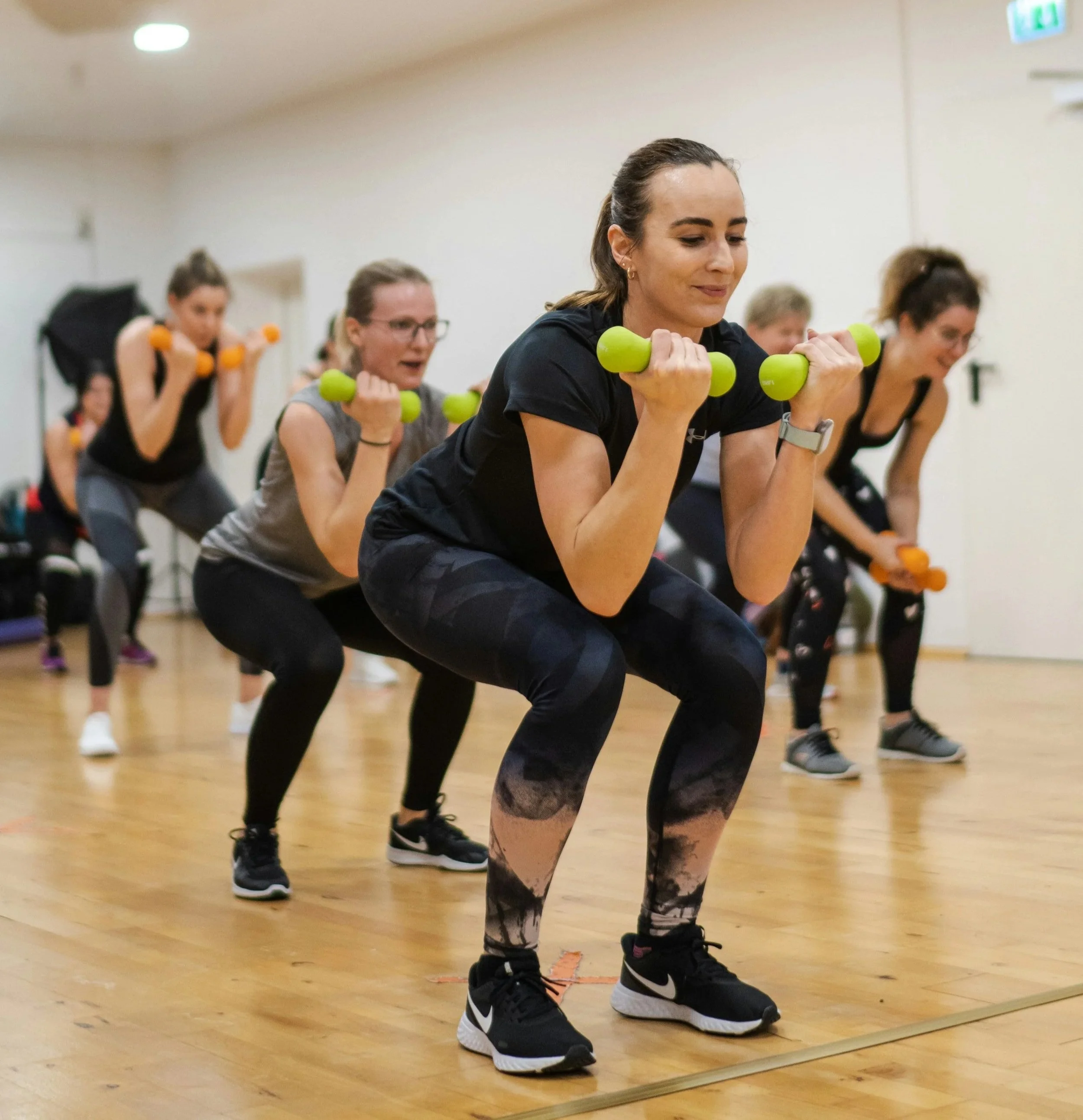
Get the support and guidance from an Exercise Physiologist.
Strength training is one of the most powerful tools we have to improve health, reduce pain, and maintain independence, yet many beginners avoid it out of fear of injury, pain flare-ups, or “doing it wrong.”
At JY Exercise Physiology, I work with beginners every day, including people with injuries, joint pain, chronic conditions, and those returning to exercise after long periods of inactivity. The good news is that strength training is safe, effective, and highly adaptable when guided by exercise physiology principles.
This guide will walk you through how beginners can safely start strength training to build muscle, protect joints, and reduce pain without overwhelming routines or high-risk exercises.
Why Strength Training Matters for Beginners
Strength training isn’t just for athletes or gym-goers. It plays a critical role in everyday health.
Key Benefits Include:
Reduced joint and muscle pain
Improved posture and movement control
Increased bone density
Better balance and fall prevention
Improved metabolic and cardiovascular health
Greater confidence with daily activities
From an exercise physiology perspective, building strength improves load tolerance, meaning your body can handle daily tasks with less stress and discomfort.
Strength Training and Pain: What the Science Says
A common misconception is that strength training worsens pain. In reality, evidence shows that appropriately prescribed strength training reduces pain in conditions such as:
Osteoarthritis
Low back pain
Shoulder pain
Tendinopathies
Post-surgical recovery
Pain often occurs when tissues are under-prepared for the loads placed on them. Strength training gradually prepares muscles, tendons, and joints to tolerate these demands more effectively.
Common Beginner Mistakes (and How to Avoid Them)
❌ Starting with weights that are too heavy
❌ Skipping technique and rushing movements
❌ Training through sharp or worsening pain
❌ Doing too much too soon
❌ Following generic online programs
Exercise physiology emphasises progressive overload, movement quality, and symptom-guided progression not intensity for intensity’s sake.
Step 1: Start With the Right Mindset
As a beginner, your goal is not to “push harder,” but to:
Learn correct movement patterns
Build confidence with exercise
Develop consistency
Reduce pain and stiffness
Progress is measured in how well you move not how much weight you lift.
Step 2: How Often Should Beginners Strength Train ?
For most beginners:
2–3 sessions per week is ideal
Sessions can be 20–45 minutes
Rest days between sessions support recovery
This frequency allows muscles and joints to adapt safely without overload.
Step 3: Safe Strength Training Principles for Beginners
1. Prioritise Controlled Movements
Slow, controlled repetitions reduce joint stress and improve muscle activation.
2. Use Pain as a Guide
Mild discomfort during or after exercise is acceptable, but sharp pain or increasing symptoms are not.
3. Focus on Full-Body Strength
Beginners benefit most from exercises that train:
Legs
Hips
Core
Upper body
This supports functional movement and balance.
Beginner-Friendly Strength Exercises
Below are safe, effective exercises commonly prescribed by exercise physiologists.
Lower Body
Sit-to-Stand (Chair Squats)
Builds leg strength
Supports knee and hip health
Improves daily function
Step-Ups
Enhances balance and coordination
Strengthens quads and glutes
Hinging
Learning how to hinge at the hips
Strengthens glutes and hamstrings
Upper Body
Wall or Bench Push-Ups
Strengthens chest, shoulders, and arms
Easily adjustable intensity
Seated or Band Rows
Improves posture
Supports shoulder and upper back health
Core & Stability
Dead Bugs
Improves trunk control
Reduces lower back strain
Standing Pallof Press
Enhances core stability without spinal stress
How Many Sets and Reps ?
For beginners:
2 sets
8-10 repetitions
Rest 60–90 seconds between sets
The last few repetitions should feel challenging but controlled.
Step 4: Progressing Safely Over Time
Progress does not mean adding weight every session.
Safe progression may include:
Improving technique
Increasing repetitions
Adding small amounts of resistance
Increasing time under tension
Reducing reliance on support
Exercise physiologists progress programs based on movement quality and symptom response, not ego or comparison.
Strength Training With Existing Pain or Injury
If you have pain:
Exercises should be modified, not avoided
Range of motion can be adjusted
Load can be reduced
Tempo can be slowed
Strength training often improves pain by enhancing joint stability and movement confidence.
Recovery Matters Too
Recovery is where adaptation happens.
Beginner recovery tips:
Allow rest days between sessions
Prioritise sleep
Stay hydrated
Include gentle mobility work
Monitor pain and fatigue levels
Overtraining is more often caused by doing too much too soon, not by consistent moderate training.
Why Work With an Exercise Physiologist?
An Exercise Physiologist provides:
Individualised assessment
Safe progression based on your condition
Pain-aware programming
Education and confidence with exercise
At JY Exercise Physiology, I specialise in helping beginners build strength safely, especially those managing pain, injuries, or medical conditions.
Final Thoughts: Strength Training Is for Everyone
You don’t need to be strong to start strength training you start strength training to become strong.
When guided by exercise physiology principles, beginners can:
✔ Build muscle safely
✔ Reduce pain and stiffness
✔ Improve confidence in movement
✔ Support long-term health
The best program is one that is appropriate, consistent, and sustainable.
Located in Upper Mount Gravatt, meet your Exercise Physiologist and feel free to explore our other blogs to learn more and gain additional insights.
Call or Text +61 421 967 711